HOSPITAL SERIES
Beijing Tiantan Hospital: Brain and Spine Care in China’s Capital
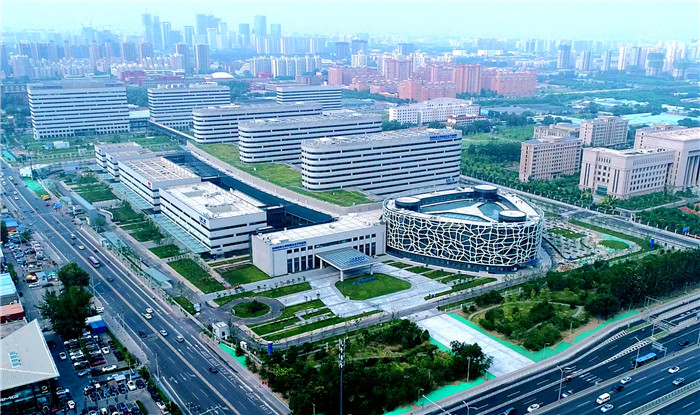
Founded in 1956, Beijing Tiantan Hospital is a public teaching hospital affiliated with Capital Medical University. Its Fengtai campus combines comprehensive hospital services with a longstanding focus on the brain, spine and nervous system.
A Teaching Hospital with Neuroscience at Its Core
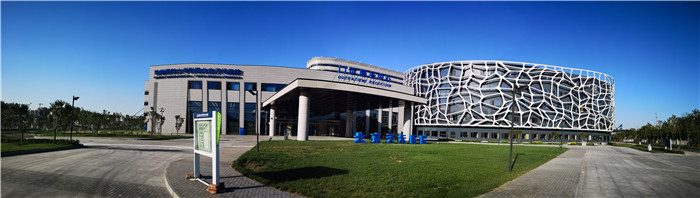
Tiantan moved to its Fengtai campus at 119 South Fourth Ring West Road in 2018. It is a tertiary Grade A comprehensive hospital, a classification within China’s hospital system. Its services also include internal medicine, surgery and cardiovascular care.
The hospital houses national centers for neurological research and quality control and the Beijing Neurosurgical Institute. Its undated introduction reports more than 2.1 million outpatient and emergency visits annually since the move—a measure of activity, rather than waiting times or individual outcomes.
Sources: [1]
Neurosurgery: Brain Tumors, Blood Vessels and the Spine
Tiantan’s neurosurgical department dates to 1982 and became the Neurosurgical Center in 2022. Its specialist units cover brain tumors, cerebrovascular surgery, spine and spinal cord disease, pediatric neurosurgery, epilepsy surgery and functional neurosurgery.
These teams work on different problems within the same broad field: tumors involving the brain, abnormalities of its blood vessels, disorders of the spinal cord, and selected conditions involving movement or seizures. The center’s directory reflects that range of clinical work. A patient considering a specialist review needs the team whose work relates to the particular diagnosis and proposed treatment.
Sources: [2]
Neurology: Stroke, Movement Disorders and Epilepsy
The Center of Neurology traces its history to 1980. Its directory includes vascular neurology, neurocritical care, movement disorders, epilepsy, neurological infection and immune disease, neuromuscular disease, cognitive disorders and headache services.
Stroke is a major part of the hospital’s research identity. The neurology service also includes work on Parkinson’s disease and related movement disorders, seizures and diseases affecting nerves and muscles. These medical teams complement Tiantan’s surgical programs and national neurological research infrastructure.
Yongjun Wang: A Career in Stroke Research
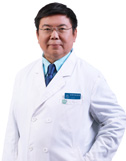
Wang Yongjun, internationally published as Yongjun Wang, is a neurologist, the hospital’s president and chief scientist of its Center of Neurology. His research focuses on preventing recurrent ischemic stroke—stroke caused by an interruption in blood flow—and reducing disability.
In February 2025, the American Stroke Association named Wang the William M. Feinberg Award for Excellence in Clinical Stroke honoree. Its announcement highlights his work on secondary prevention and reperfusion therapy, which aims to restore blood flow. The recognition places his research within an international stroke community.
Wang was the first author of the CHANCE trial, published in the New England Journal of Medicine in 2013. The randomized study enrolled 5,170 patients at 114 Chinese centers and examined a treatment question after minor ischemic stroke or a high-risk transient ischemic attack. It illustrates the hospital’s contribution to multicenter clinical research; its findings concern a defined study population and require clinical interpretation for an individual patient.
Requesting a Written Specialist Second Opinion
For someone with an established diagnosis, a written review may help clarify questions about a proposed brain or spine treatment, or a longer-term neurological care plan. The records needed depend on the case: they may include MRI or CT images, radiology reports, pathology results, prior procedures and the current treatment plan.
China Heal Plus helps organize a request and checks the proposed specialist, case acceptance and written scope before a service is arranged. Sudden stroke symptoms need immediate local emergency care; a remote second opinion is not an emergency service.
Sources and data notes
- Beijing Tiantan Hospital: hospital introduction
Institutional history and campus. Checked 9 October 2026. Annual visit figure has no separate reporting year.
- Beijing Tiantan Hospital: Neurosurgical Center
Center history and clinical units. Checked 9 October 2026.
- Beijing Tiantan Hospital: Center of Neurology
Department history and clinical directory. Checked 9 October 2026.
- Beijing Tiantan Hospital: Wang Yongjun
Official biography, checked 9 October 2026. Wang Yongjun is internationally published as Yongjun Wang.
- American Heart Association: 2025 stroke research awards
Award announcement published 4 February 2025. Checked 9 October 2026.
- CHANCE trial: New England Journal of Medicine, PubMed PMID 23803136
2013 randomized trial; first published online 26 June 2013. NCBI record checked 9 October 2026.
Published by China Heal Plus. General information, not an individual medical assessment. Inclusion of a hospital or physician does not imply a partnership or endorsement of our service.